Stellenbosch University co-host workshop on building entrepreneurial universities in Southern Africa
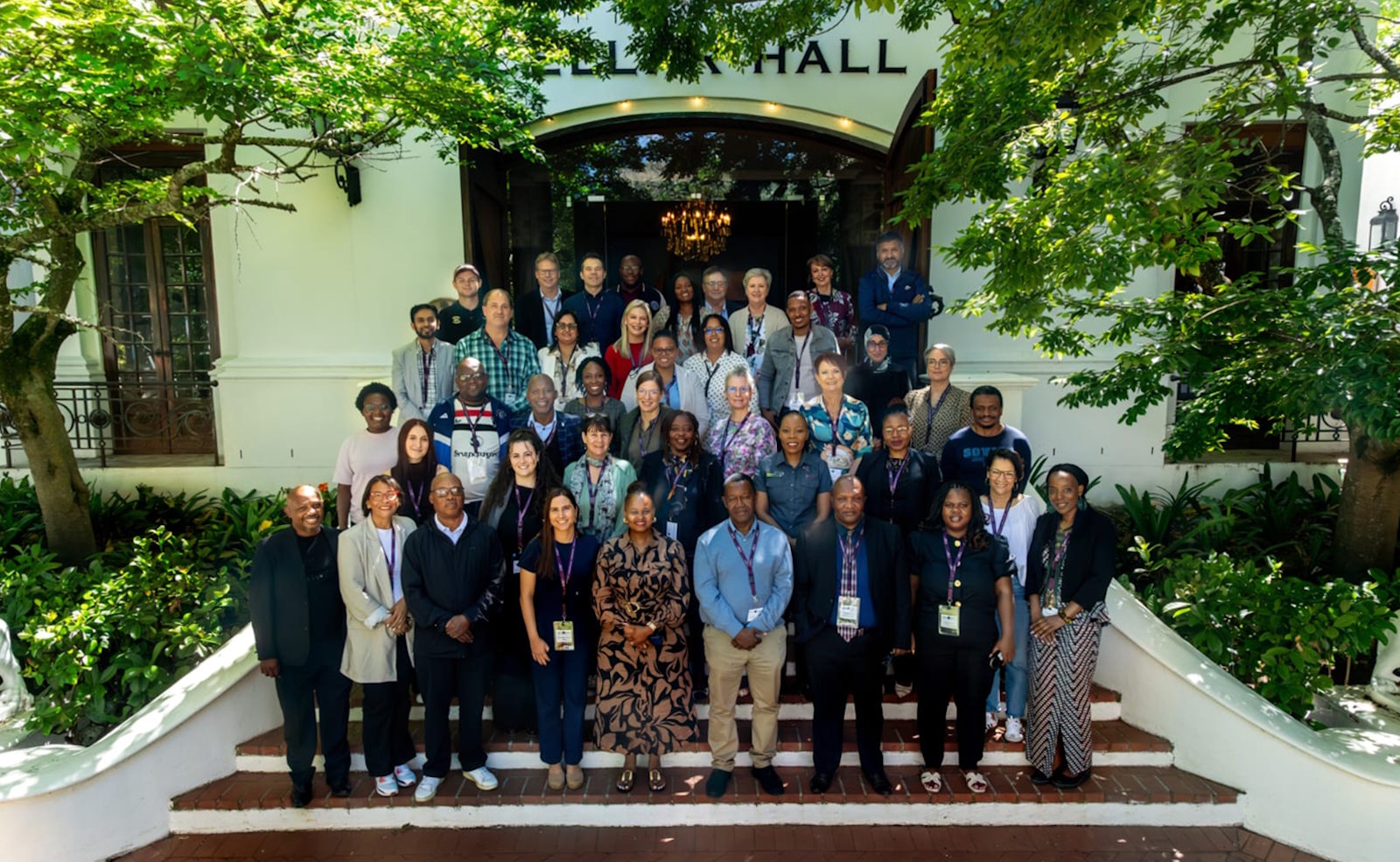
A four-day training workshop was co-hosted by Stellenbosch University and Cape Peninsula University of Technology (CPUT) at Lanzerac Wine Estate and on the CPUT campuses from 28-31 October 2025. The University-industry co-creation to build Entrepreneurial Universities in the Southern African Development Community (UNIICo-create) project is co-funded by the European Union and is aimed strengthening partnerships between academia, industry, and government to foster a new generation of entrepreneurial universities in the Southern African Development Community (SADC).
Professor Sibusiso Moyo, SU’s Deputy Vice-Chancellor: Research, Innovation and Postgraduate Studies welcomed the delegates and said universities must take the lead in shaping Africa’s future through innovation. Furthermore, she reminded the delegates that there is an urgency to transform to address the high unemployment in South Africa which stands more than 60% among 15–24-year-olds. “The UNIICo-create project tasks each one of us to think differently about the purpose of higher education ensuring academic excellence but ensuring economic and social relevance”.
In the opening address of Professor Deresh Ramjugernath, SU’s Rector and Vice-Chancellor, he reiterated the institution’s vision of becoming a truly entrepreneurial and research-intensive university. Drawing on his own experiences as an academic and entrepreneur he said universities must go beyond knowledge production to achieve tangible social and economic impact. Ramjugernath highlighted SU’s commitment to academic renewal “That means redesigning curricula, rethinking assessments, and building ecosystems that link learning to real-world challenges.”
Dr Erna Blancquaert, principal investigator of the UNIICo-create project at SU said the initiative provides space for new partnerships in the SADC which can result to real world impact. The tailored programme was aimed at equipping delegates with practical tools ranging from curriculum development: theoretical principles of curriculum co-creation, developing entrepreneurial learning outcomes, content and pedagogical methods which was presented by the partner university Tampere from Finland. Universal learning design methods were presented by the SU Centre for Learning Technologies. Panel discussions comprising of industry, academic and private sector unpacked the themes of Entrepreneurial Ecosystem Development in Africa. Day one was concluded with student entrepreneurial panel discussion and Entrepreneurship & Innovation Stories from established entrepreneurial ventures. The delegates also visited Launch lab enabled facilitated engagement with several start-up companies.