
Celebrating Excellence: SU Student and Researchers Sweep Top AEASA Awards
By Maréze Smit and Dr Melissa van der Merwe
The 62nd Agricultural Economics Association of South Africa (AEASA) conference was held from 29 September to 1 October 2025 in Pretoria, Gauteng. Among other things, this event also aimed to celebrate excellence in the field, and Stellenbosch University did not disappoint. Maréze Smit received the prize for the Best Master’s Thesis in Agricultural Economics, and a paper co-authored by Dr Melissa van der Merwe (Agricultural Economics) and colleagues at the Bureau for Food and Agricultural Policy (BFAP) won the award for best contributed paper. Mr Jeremy Richard McKechnie was awarded the AEASA prize for the best final year student.
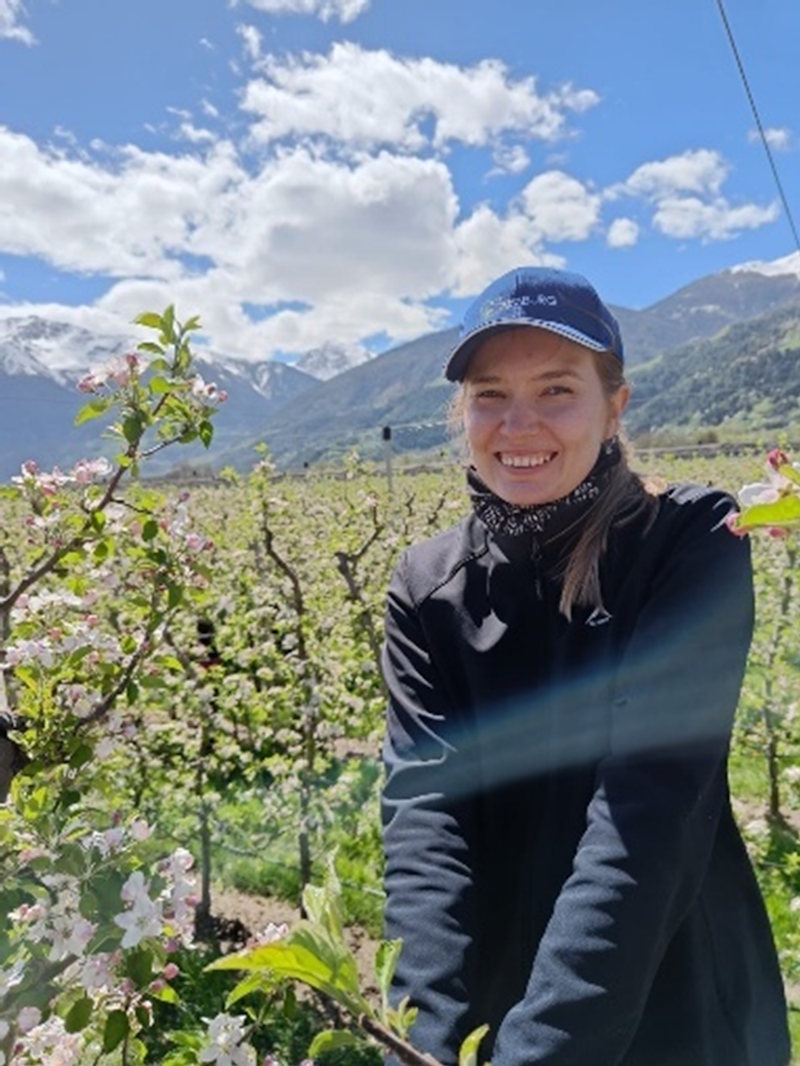
Maréze’s thesis titled “An Economic Analysis of Farm Profitability related to new deciduous Fruit Cultivar Choice” was completed under the supervision of Dr Willem Hoffmann and co-supervised by Dr Iwan Labuschagne. The study investigated the main factors influencing profitability for apple and Japanese plum cultivars to guide planting decisions in specific South African production environments. Cultivar diversity is an essential risk-management strategy in deciduous fruit farming, and choosing a cultivar that supports long-term resilience requires careful consideration of its traits, local climate conditions, market dynamics, and practical production implications. Using a systems approach, a whole-farm budget model was developed to translate horticultural characteristics into financial outcomes. Industry stakeholders contributed through a participatory modelling process, and the final models were validated by a multidisciplinary focus group. The study found that factors affecting yield, quality, and price exert a far greater influence on profitability than reasonable variations in production costs.
A profitable cultivar should:
- Align with the farm’s commercial window in terms of harvest timing, labour, and infrastructure needs.
- Offer broad marketing opportunities to minimise market risk.
- Be both adapted and adaptable to the production environment, as poor adaptability negatively affects cost, quality, quantity, and consistency.
The paper, co-authored by Drs Melissa van der Merwe, Tracy Davids, and Kandas Cloete, and Mr Louw Pienaar (BFAP and extraordinary researchers at SU),explores how stricter European Union pesticide regulations—part of the Green Deal’s “Farm to Fork” strategy—could affect South Africa’s citrus and pome fruit exports. Using economic models, the research shows that phasing out key pesticides may hurt farm profitability, reduce export volumes, and impact rural jobs unless alternatives are adopted in time. The findings highlight the need for proactive responses from government and industry to safeguard South Africa’s fruit trade with the EU. This accomplishment at AEASA highlights the benefits of collaborations between SU and BFAP researchers under the Memorandum of Understanding between the Faculty of AgriSciences and BFAP.