Faculty of AgriSciences

Cultivating knowledge beyond the classroom walls


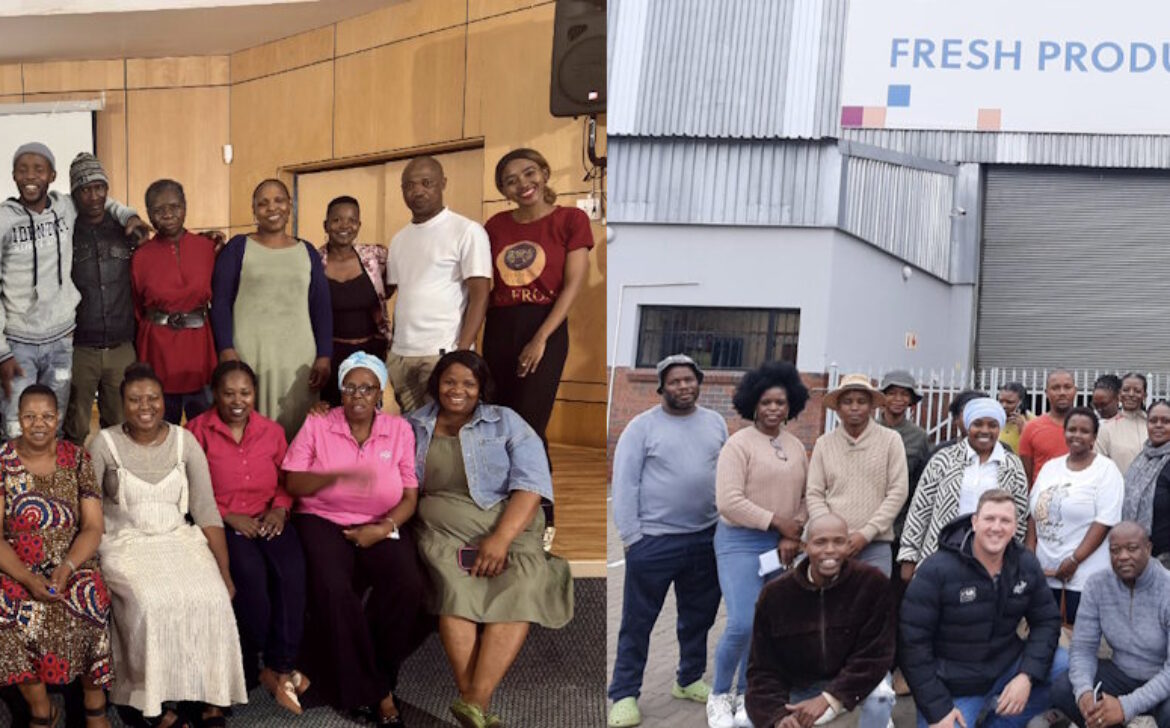
This year, Stellenbosch University, through a collaboration between the Stellenbosch University Water Institute and the Africa Institute for Postharvest Technology, in affiliation with the Department of Horticultural Science, extended agricultural learning beyond theory into practice. Local farmers gained hands on experience through a series of workshops in Rustenburg in critical areas such as:

  • Post-Harvest quality control and Food Safety standards
  • Optimal storage and Quality monitoring
  • Cold Chain management and Efficient transportation

The program went beyond learning in classroom settings to creating opportunities. Farmers toured Freshlinq Rustenburg, where some participants even registered to supply their produce directly to the facility, bridging the gap between farm and market.
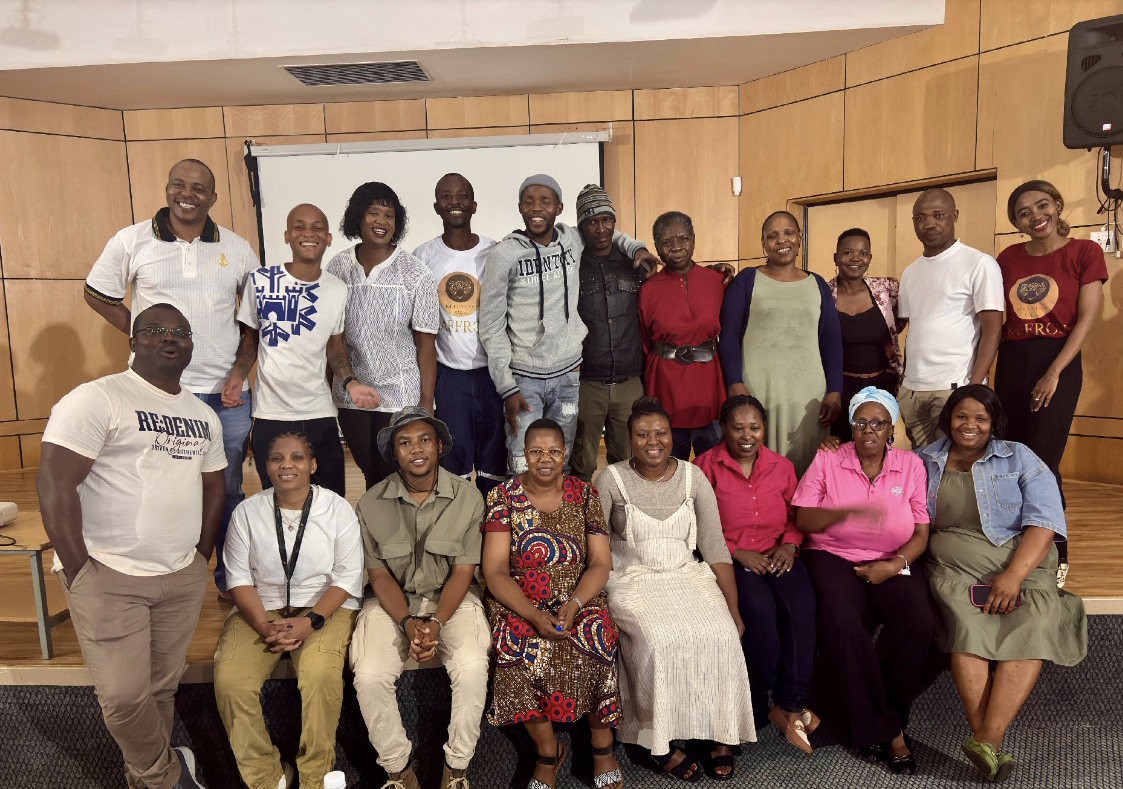

On the 27 th of November, a seminar showcased the tangible impact of this initiative, celebrating inspiring success stories from participants like TshegoM Creations, Phoenix Business Concepts, and Sibanda Projects who have proven that knowledge, when applied, transforms livelihoods.

A heartfelt thank you to the farmers, Sibanye Rustenburg Mine Community Development Trust, Orbit College, Rustenburg Local Municipality, Dr Oluwafemi Caleb, Dr Alemayehu Tsige, Dr Buhle Maphosa, Mr Manuel Jackson, SUWI and all stakeholders who made this capacity-building journey possible. Together, we have proven that agricultural development can thrive beyond the four classroom walls.


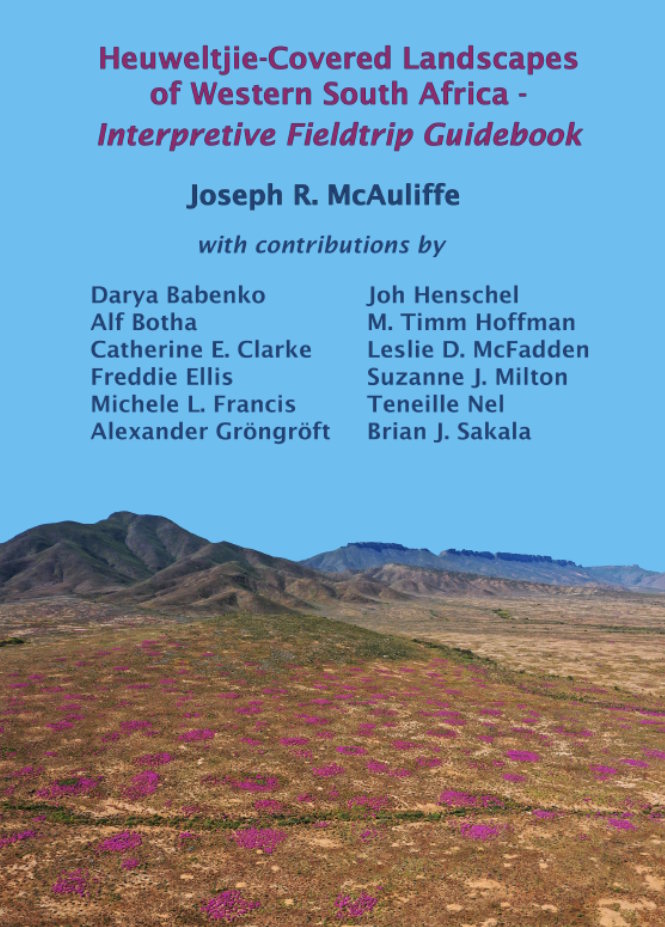
Multidisciplinary SA-USA project publishes a comprehensive field guide on the giant termite mounds (Heuweltjies) of the west coast region.

An international, multidisciplinary team led by the Department of Soil Science has produced a comprehensive guide to the giant termite mounds (heuweltjies) of the West Coast and the environment in which they occur. These regularly spaced earthen mounds are a defining feature of the landscapes stretching from Stellenbosch into Namibia.

Dr Joesph McAulifee, from the Arizona Desert Botanical gardens is the lead author of the guidebook which was created as a translational deliverable for a three-year project that investigated the carbon sequestration potential of heuweltjies. The NSF-NRF funded project involved scientists from three US institutions (Kent State University, University of Texas at Austin and the Arizona Desert Botanical Gardens) and four SA Universities (University of Stellenbosch, University of Pretoria, University of the Western Cape and Nelson Mandela University).

Designed as a comprehensive synthesis of decades of research on heuweltjies and their surrounding environments, the field guide combines scientific detail with accessible explanations for non-specialists. It includes road logs for travellers, as well as “Digging Deeper” sections that explore specific themes such as formation models, age, biodiversity, carbon sequestration, grazing dynamics, and challenges associated with cultivation on and around the mounds The field guide is currently being translated into Afrikaans and will be available in early 2026.

The English version is free to download from SUNScholar 

Stellenbosch University co-host workshop on building entrepreneurial universities in Southern Africa

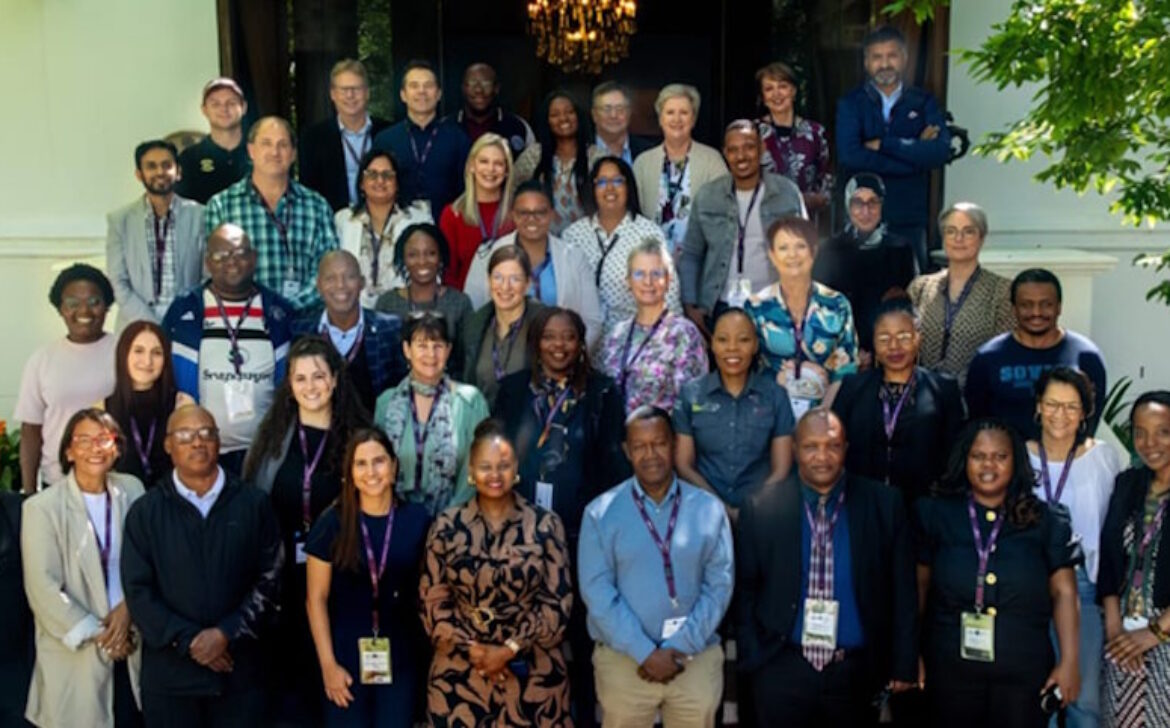
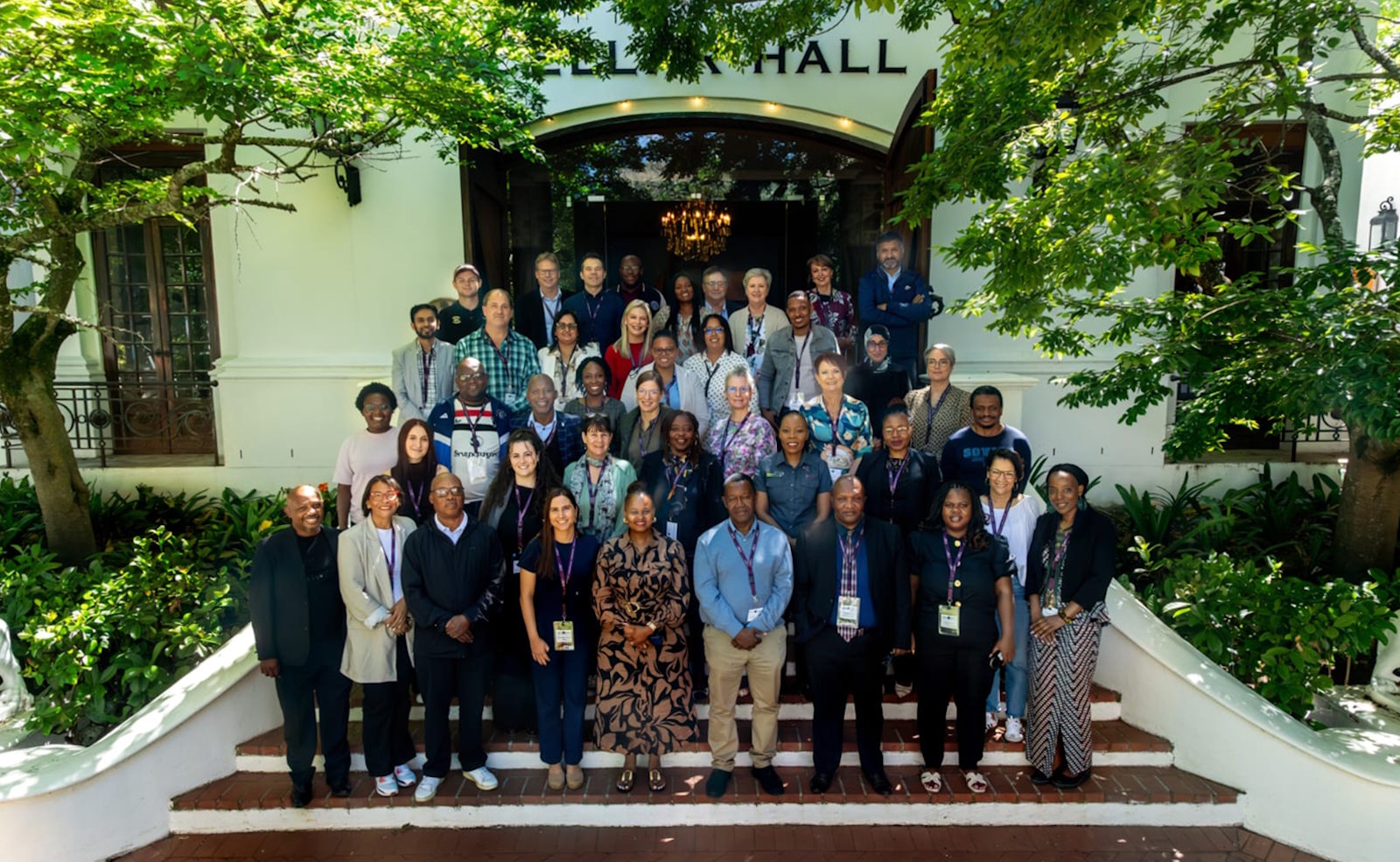
A four-day training workshop was co-hosted by Stellenbosch University and Cape Peninsula University of Technology (CPUT) at Lanzerac Wine Estate and on the CPUT campuses from 28-31 October 2025. The University-industry co-creation to build Entrepreneurial Universities in the Southern African Development Community (UNIICo-create) project is co-funded by the European Union and is aimed strengthening partnerships between academia, industry, and government to foster a new generation of entrepreneurial universities in the Southern African Development Community (SADC).

Professor Sibusiso Moyo, SU’s Deputy Vice-Chancellor: Research, Innovation and Postgraduate Studies welcomed the delegates and said universities must take the lead in shaping Africa’s future through innovation. Furthermore, she reminded the delegates that there is an urgency to transform to address the high unemployment in South Africa which stands more than 60% among 15–24-year-olds. “The UNIICo-create project tasks each one of us to think differently about the purpose of higher education ensuring academic excellence but ensuring economic and social relevance”.

In the opening address of Professor Deresh Ramjugernath, SU’s Rector and Vice-Chancellor, he reiterated the institution’s vision of becoming a truly entrepreneurial and research-intensive university. Drawing on his own experiences as an academic and entrepreneur he said universities must go beyond knowledge production to achieve tangible social and economic impact. Ramjugernath highlighted SU’s commitment to academic renewal “That means redesigning curricula, rethinking assessments, and building ecosystems that link learning to real-world challenges.”

Dr Erna Blancquaert, principal investigator of the UNIICo-create project at SU said the initiative provides space for new partnerships in the SADC which can result to real world impact. The tailored programme was aimed at equipping delegates with practical tools ranging from curriculum development: theoretical principles of curriculum co-creation, developing entrepreneurial learning outcomes, content and pedagogical methods which was presented by the partner university Tampere from Finland.  Universal learning design methods were presented by the SU Centre for Learning Technologies. Panel discussions comprising of industry, academic and private sector unpacked the themes of Entrepreneurial Ecosystem Development in Africa. Day one was concluded with student entrepreneurial panel discussion and Entrepreneurship & Innovation Stories from established entrepreneurial ventures. The delegates also visited Launch lab enabled facilitated engagement with several start-up companies.

New Pivot boosts agrisciences training

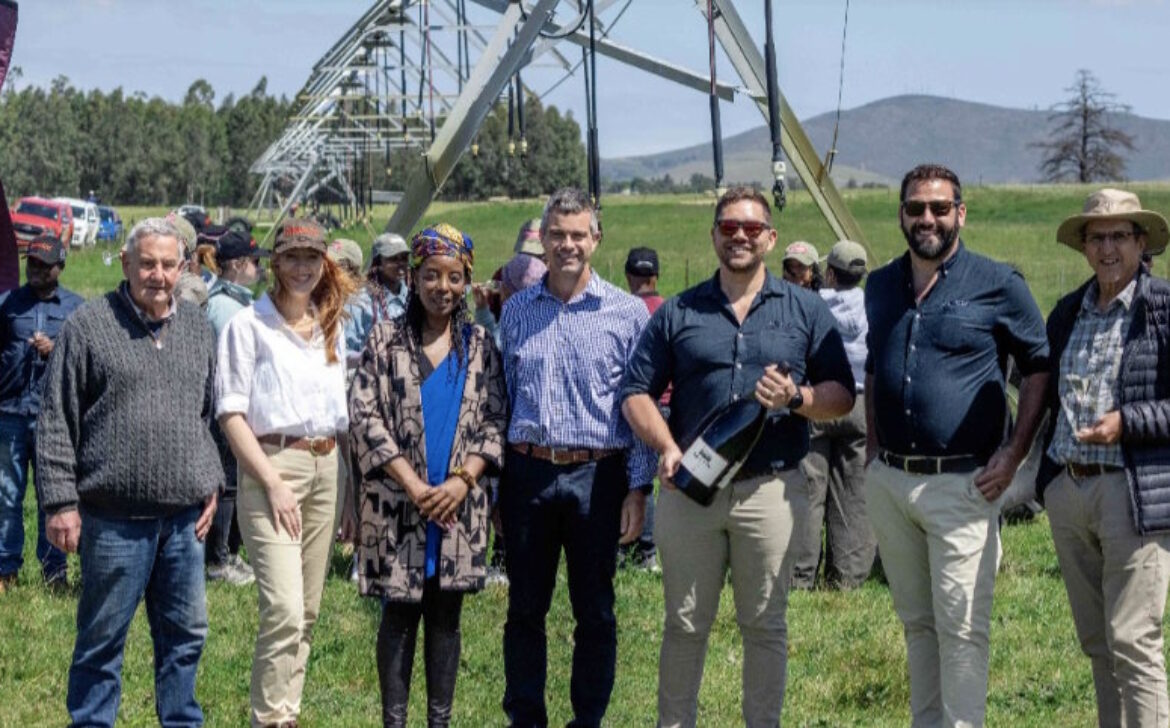
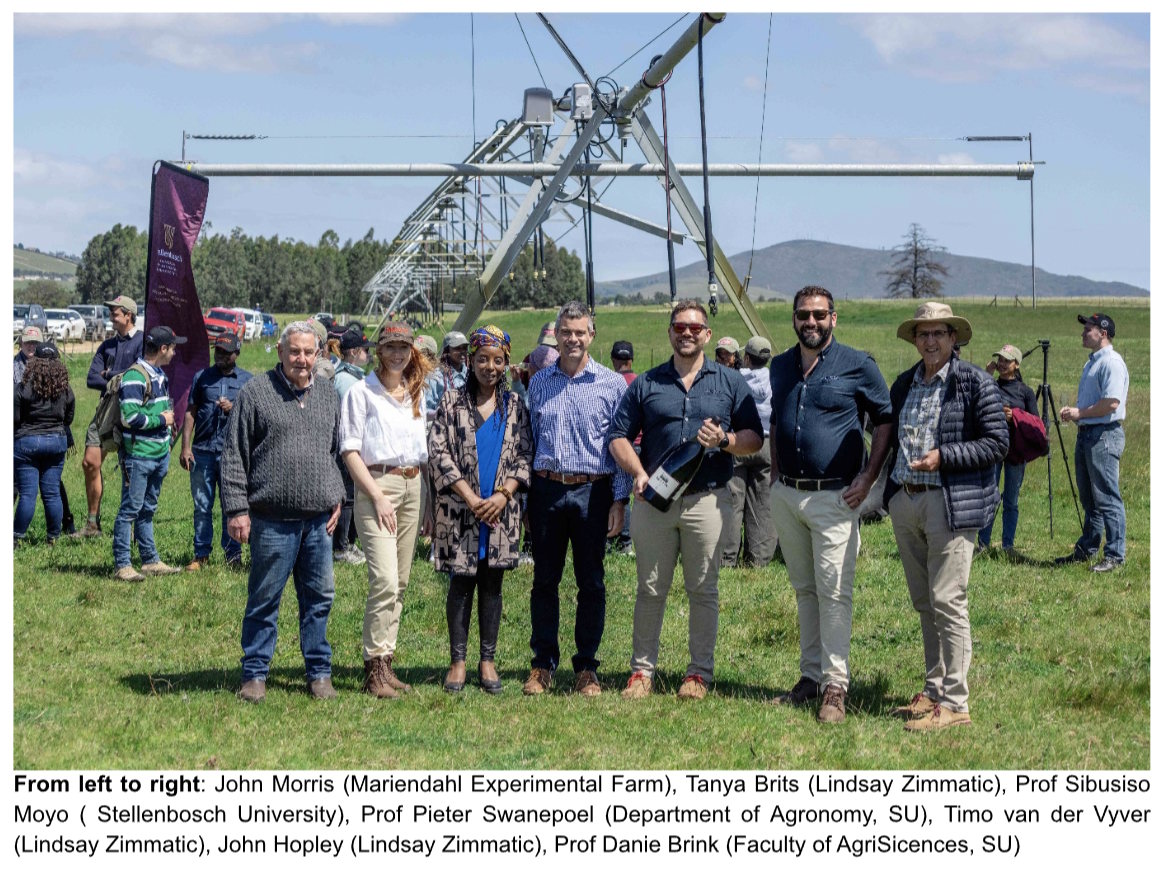
Research and student training in the Faculty of AgriSicences received a major boost with the donation of a Lindsay Zimmatic 9500P centre pivot irrigation system on Mariendahl experimental farm.

This is the first centre pivot irrigator at any of Stellenbosch University’s (SU) agricultural research and teaching sites, and Prof Pieter Swanepoel, Departmental Chairperson of the Department of Agronomy, said it would create new opportunities to explore and apply cutting-edge agricultural technologies.

The Zimmatic 9500P is one of Lindsay’s top-of-the-range models and integrates with its FieldNET farm management system, widely used by Zimmatic customers as well as other manufacturers’ pivots and other irrigation equipment.

Speaking at the handover ceremony on 16 October, Prof Swanepoel said the donation and installation of the system, with a coverage of 13ha, “will play a vital role in building capacity and advancing research on technologies that support sustainable agricultural practices”.

Prof Swanepoel was particularly excited about the potential for interdisciplinary research brought about by the installation, which could connect expertise across pasture agronomy, animal science, soil and water science, plant pathology, and other disciplines. Access to the latest technologies is an important skill for graduates from Stellenbosch University and donations and collaborations with industry partners such
as Lindsay makes this possible.

Prof Sibusiso Moyo, SU’s deputy vice-chancellor for research, innovation, and postgraduate studies, said industry collaboration was crucial within the context of the underfunded higher education sector in South Africa.

Given the overdependence on the National Student Financial Aid Scheme, she said the question was how a university remained at the cutting edge of innovation. “In the end, we have to do it ourselves,” she added.

There was a strong focus on collaboration between industry and academia at the handover, with Prof Danie Brink, Dean of the Faculty of AgriSciences, pointing out assistance received from the pig and poultry industries to upgrade training facilities.