Faculty of AgriSciences

A Farewell at Graduation: Honouring Prof Danie Brink
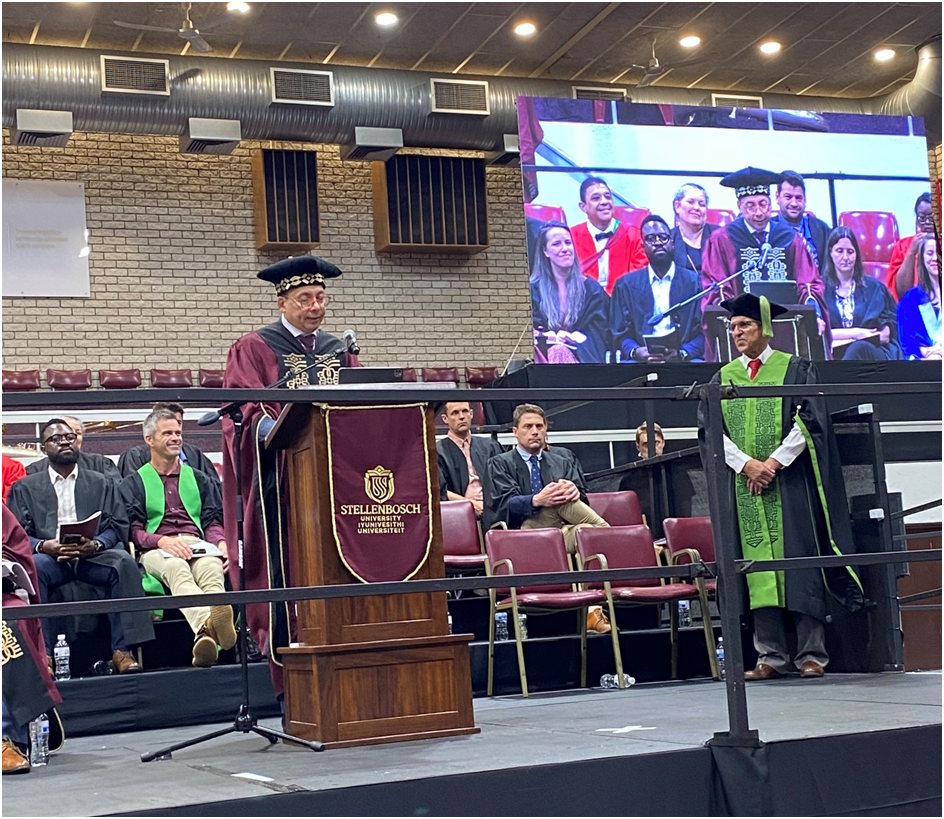
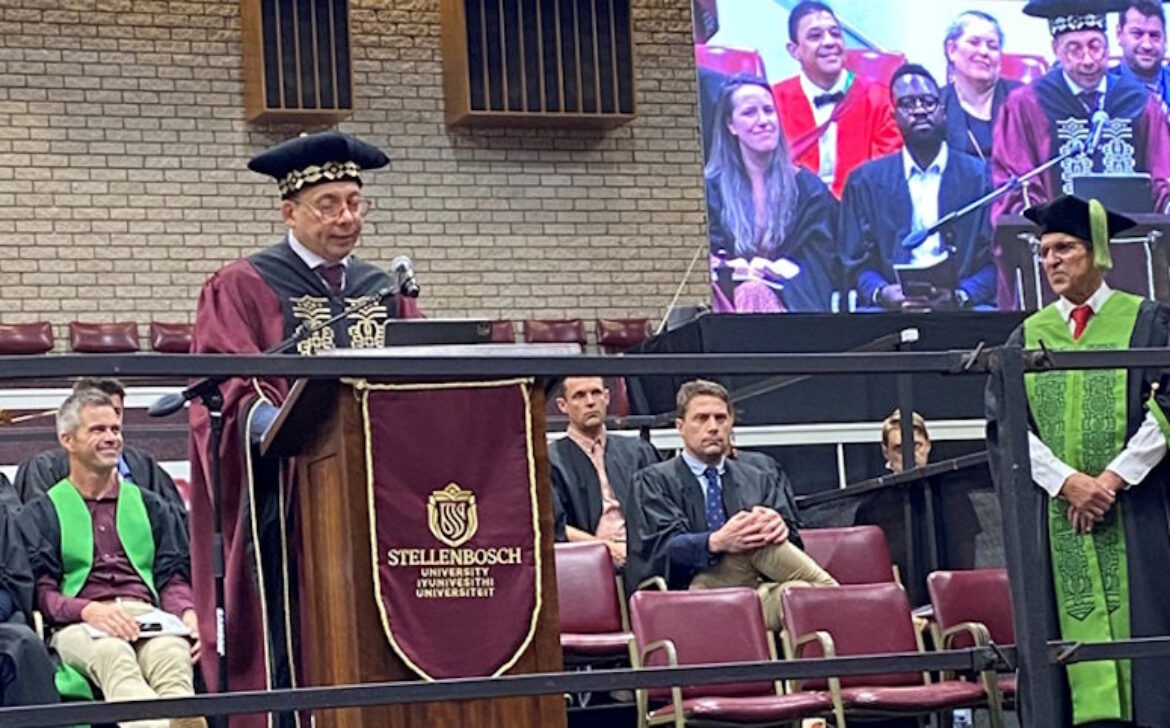
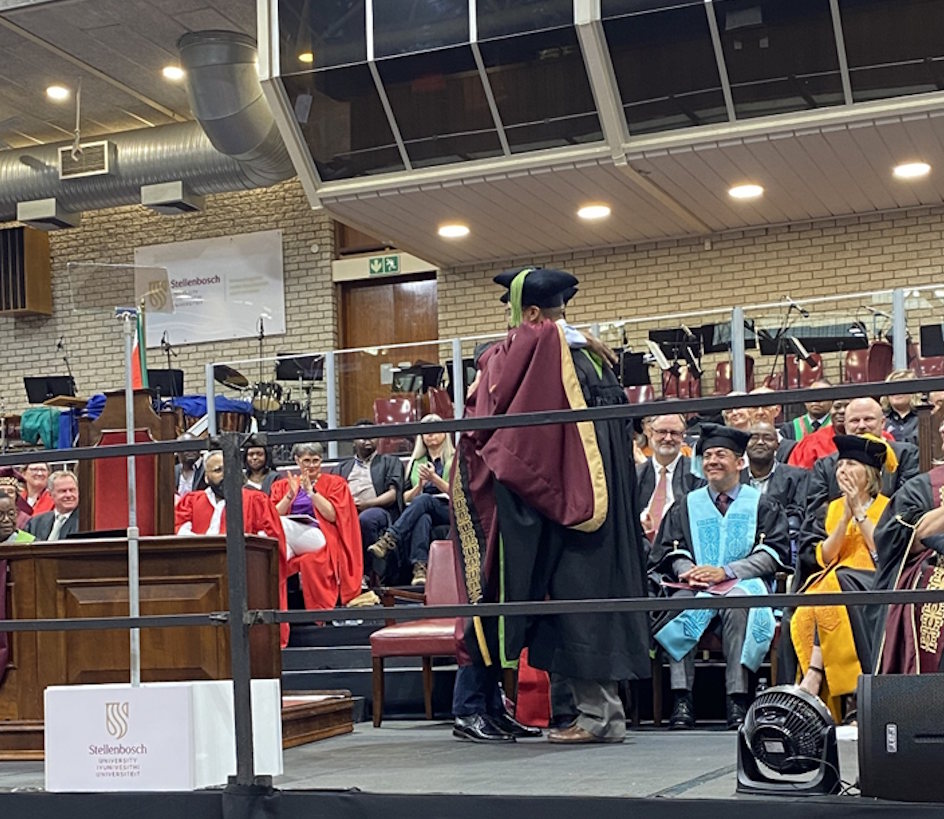
At the Faculty of AgriSciences December graduation ceremony, Stellenbosch University formally bid farewell to Professor Danie Brink, who presided over his final academic procession as Dean of the Faculty of AgriSciences ahead of his retirement.

Delivering the tribute on behalf of the University, the Acting Deputy Vice-Chancellor, Professor Richard Stevens, reflected on Professor Brink’s long-standing service, leadership, and enduring contribution to the agricultural sciences. He described Professor Brink’s tenure as one marked by “vision, steady leadership, and extraordinary contribution to the agricultural sciences”.

Professor Brink is a proud Stellenbosch alumnus, having begun his studies at the University in 1980. Over the course of his academic career, his work in aquaculture and genetics has helped shape the discipline in South Africa. He played a key role in establishing the country’s first undergraduate programme in aquaculture, supervised more than 40 postgraduate students, and dedicated much of his work to strengthening food systems and promoting sustainable production. His engagement with communities across the region, from Hondeklipbaai to Malawi, reflects his belief that science should create real opportunities and meaningful impact.

Professor Stevens also highlighted Professor Brink’s leadership journey within the University, noting that he served as Chair of the Department of Genetics before taking on the roles of Vice-Dean for Research and Teaching, Acting Dean, and ultimately Dean of the Faculty of AgriSciences. Under his leadership, the faculty expanded its research footprint, strengthened industry partnerships, and consolidated its position as a leading agricultural faculty on the African continent.

Beyond the University, Professor Brink has played an influential role in the agricultural, aquaculture, and resource-management sectors through his service on advisory bodies, government panels, and various boards. In his address, Professor Stevens emphasised that Professor Brink consistently advocated for food security, environmental stewardship and innovation that serves society.

Reflecting on Professor Brink’s approach to leadership, Professor Stevens remarked that he met challenges with “calm confidence”, whether navigating the Berg River or guiding the faculty through a rapidly changing higher-education landscape. He noted that thoughtful planning, perseverance and adaptability were hallmarks of his leadership style.

In closing, Professor Stevens paid tribute to Professor Brink’s personal qualities, saying that his “scientific integrity, generosity of spirit and steadfast leadership have left a lasting impression that will endure long after today”. He added that Professor Brink reminded the faculty that agriculture is “not merely a discipline, but a pathway to a more resilient and hopeful future”.

As Professor Brink embarks on his retirement, the University expressed its deep gratitude for his service, wisdom and legacy and wished him many peaceful hours on the water with his kayak, this time free of faculty deadlines.

A Cross-Disciplinary Exchange at the SASEV Conference

The South African Society for Enology & Viticulture (SASEV) conference, held from 24 to 26 November 2025, once again showcased cutting-edge research shaping the future of the wine sector. This year, a dedicated workshop on wine consumers, culture, language, tech and food pairing, organised and facilitated by Dr Jeanne Brand (Department of Viticulture and Oenology, Stellenbosch University), highlighted the growing importance of cross-disciplinary collaboration in addressing industry challenges.

While traditionally dominated by viticulture, oenology and sensory science, this workshop intentionally brought agricultural economists, and economists into the conversation, an important reminder that the complexities facing the wine sector require integrated perspectives from across disciplines and departments.

The workshop provided a snapshot of innovative research on South African wine consumers. Representing Agricultural Economics, Dr Melissa van der Merwe opened the workshop with a presentation titled Beyond the glass: South African Wine Experiences. She explored the shifting nature of wine from a commodity to an experiential product, arguing that wineries must deliver authentic, meaningful experiences if they are to remain competitive in a crowded market. Her contribution underscored the value of economic and behavioural insights in complementing technical wine science.

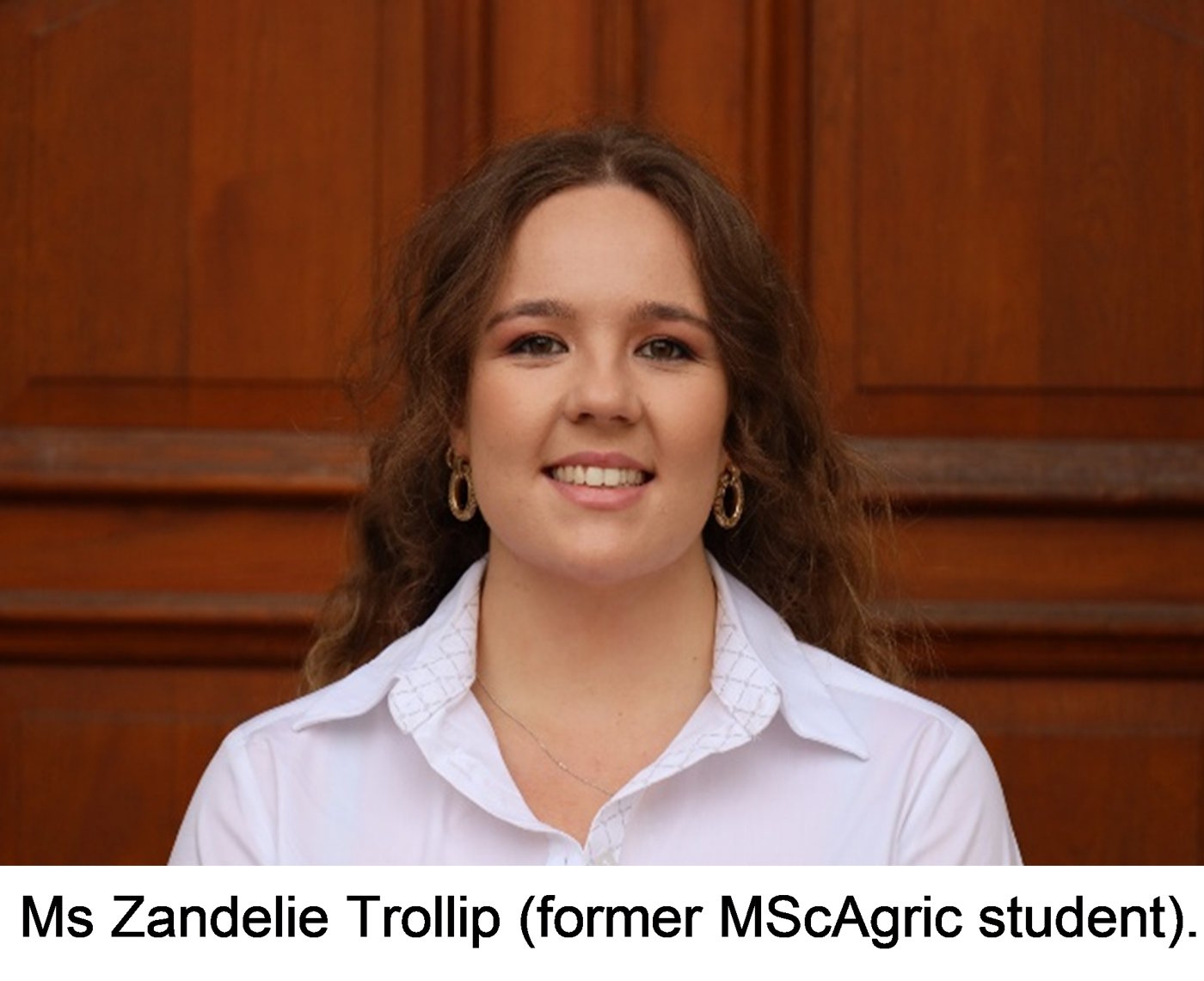
A second agricultural economist, Ms Zandelie Trollip, former MSc student supervised by Drs van der Merwe and Brand, presented her research on wine and food pairing behaviour. Her findings revealed nuanced patterns in consumer choices, some reinforcing classical pairing principles, others diverging in ways that highlight the deeply subjective nature of sensory experiences. Differences in behaviour between home and restaurant settings, as well as demographic influences, reinforced the importance of understanding context when interpreting consumer decisions. Ultimately, the social environment of consumption emerged as the most powerful driver of preferences.Reflecting on her experience, Trollip shared: “It was inspiring to learn about the exciting work happening in wine research, and also to realise how much opportunity still exists for consumer-focused studies. I am excited to see what comes next!”

The remainder of the workshop discussions revolved around global and local wine marketing trends, online purchasing behaviour, preferences across languages and cultures (isiXhosa, isiZulu and Sotho), and township-based wine education technologies. Crucially, these themes mirror the focus of keynote speaker Ms Yvette van der Merwe, President of the International Organisation of Vine and Wine, whose address; The economics of wine: Supply and demand trends in the context of sustainability and innovation, emphasised the industry’s need to understand consumer demand to remain resilient and economically sustainable.

This workshop demonstrated the value of integrating diverse expertise, from sensory science to economics to technology, to address the wine industry’s most pressing challenges. For Stellenbosch University, it is yet another example of how cross-departmental collaboration strengthens research excellence and contributes meaningful insights to industry stakeholders.

For research opportunities or collaborations on wine related matters, please contact Dr Jeanne Brand (jeanne@sun.ac.za) or Dr Melissa van der Merwe (vdmm@sun.ac.za).

A Cross-Continental Alliance for Water Resilience

By Dr Willem De Lange

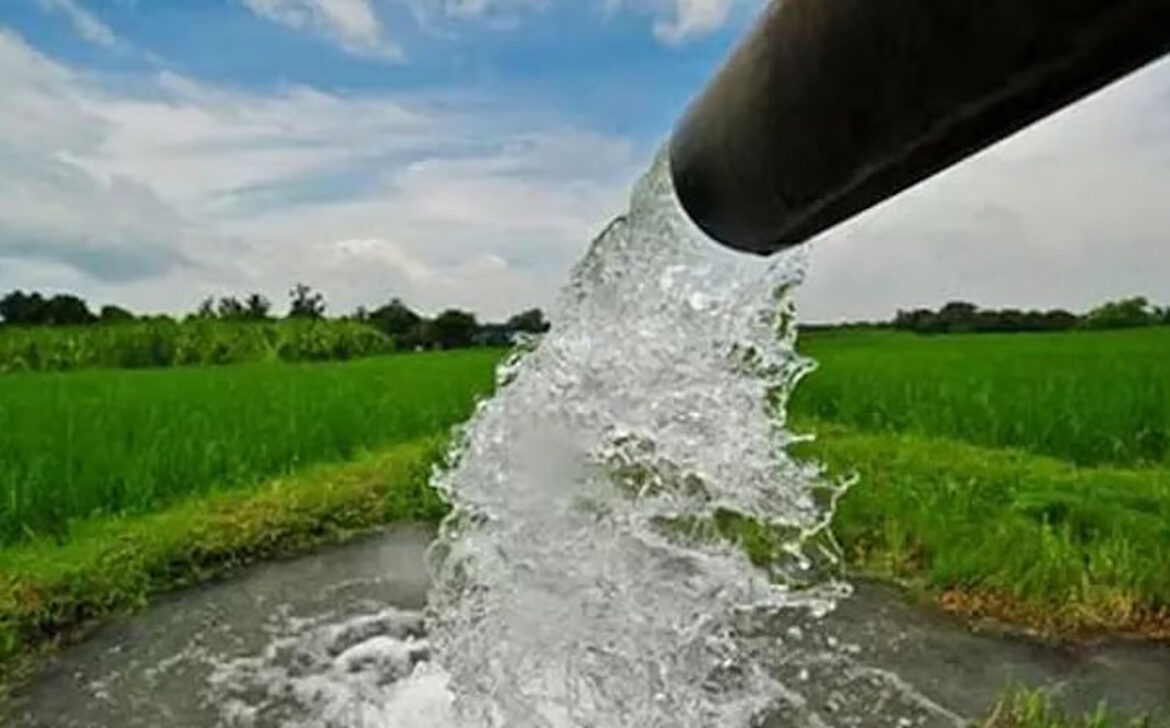
As part of the African-Bavarian Alliance 2.0, Stellenbosch University and Hochschule Weihenstephan-Triesdorf (Germany) co-hosted a three-day conference to co-develop a joint research agenda and prepare a collaborative proposal for an upcoming Horizon 2020 funding call. Convened and facilitated by Dr Jan Greyling from the Department of Agricultural Economics at Stellenbosch University, together with German partners, the event brought together scholars, practitioners and policymakers to explore how integrated water management can enhance resilience to scarcity, with a focus on residential and agricultural water use. The initiative aligns directly with Stellenbosch University’s strategic priority to strengthen international research partnerships and deepen global impact across critical sustainability themes.

To frame the conversations that followed, Dr Willem de Lange (Department of Agricultural Economics) delivered an opening keynote titled “Long-term water management in South Africa”, offering a historical and forward-looking perspective on the country’s water challenges. His insights set the foundation for three days of discussion, comparison and agenda-setting.

The first day focused on South Africa’s experiences, particularly insights from the Western Cape’s ‘Day Zero’ crisis. Discussions covered urban–rural water allocation, governance, practical strategies from local water management associations, farmers’ perspectives and innovative technological solutions, including AI-based monitoring.

The second day expanded the scope to regional and international water governance challenges, featuring country perspectives from Tunisia, Kenya, Senegal, Ethiopia, Zambia and Germany. The discussions aim to identify common challenges and practical solutions, as well as transferable lessons.

The final day started with a technical tour of the Berg Water Scheme to provide practical insights into the design and operation of integrated bulk water management systems.  The proceeding closed with a collaborative session focused on reflective dialogue and the development of a forward-looking research agenda for targeted research funding calls.

GastroTour Workshop at Stellenbosch: Advancing Skills and Innovation in Wine Tourism

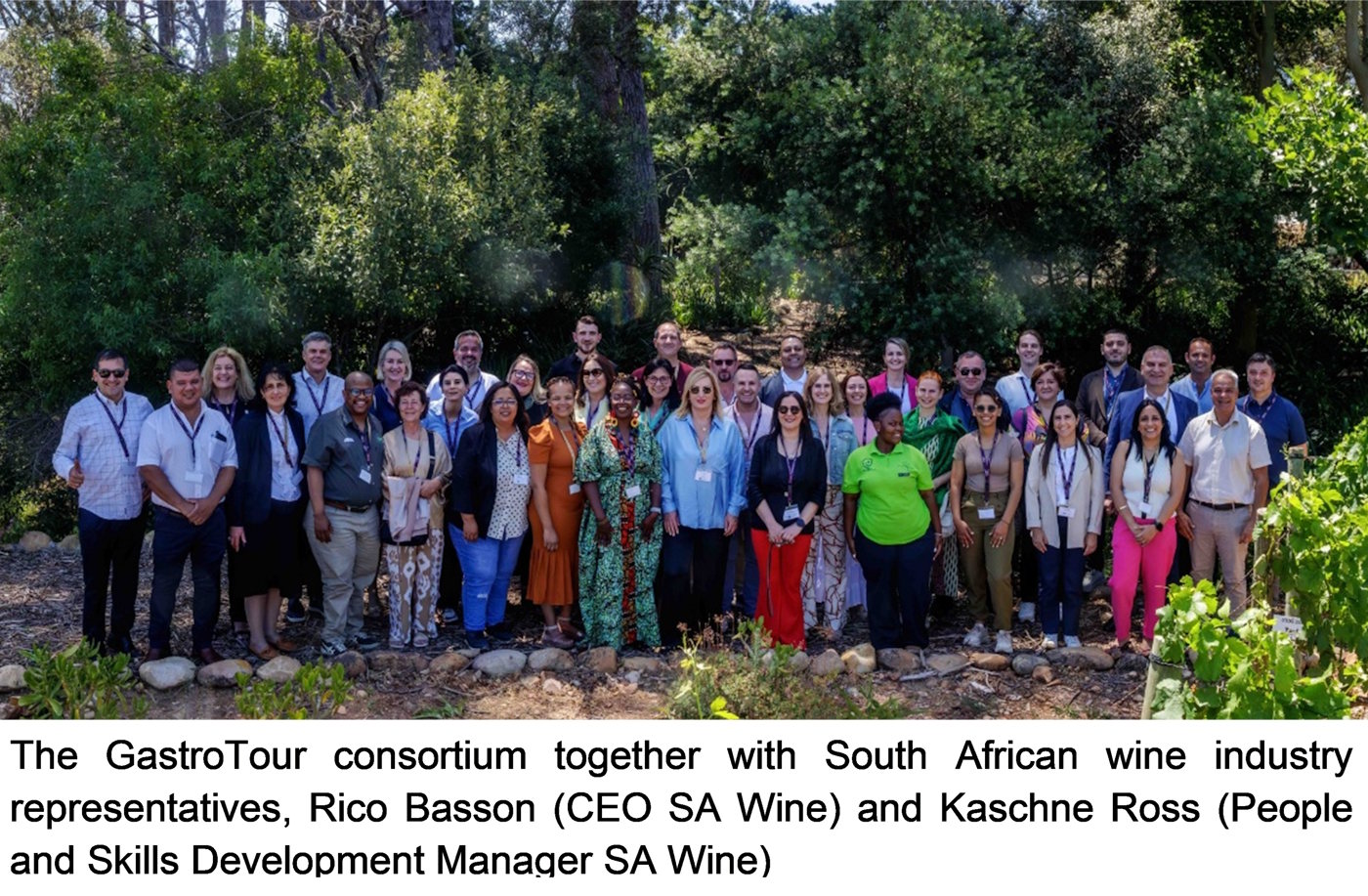
From 17 to 19 November 2025, Stellenbosch University and Cape Peninsula University of Technology (CPUT) and Creation Wines (industry partner) co-hosted international delegates for the GastroTour workshop, an initiative aimed at strengthening skills development, innovation, and sustainability within the food-and-wine tourism sector. This project is an Erasmus + co-funded project. The event brought together academics, industry stakeholders, and industry bodies from South Africa, Portugal, Czech Republic, Spain, and Georgia for three days of dialogue, and experiential engagement in the wine capital of South Africa – Stellenbosch and in the Hemel-en-Aarde Wine Valley.

Stellenbosch University was represented by Dr Erna Blancquaert (Department of Viticulture and Oenology) and Dr Melissa van der Merwe (Department of Agricultural Economics). Dr Blancquaert spearheaded the coordination for the workshop, ensuring that the programme highlighted the academic excellence of Stellenbosch University and the cultural heritage of the Cape Winelands. Her efforts positioned Stellenbosch as a central platform for global collaboration in wine tourism capacity-building.

Dr van der Merwe contributed on two fronts. She served as a panellist on Elizabeth Colucci’s (OBREAL) “From vine to table: Empowering regional tourism through skills, innovation and sustainable growth” panel together with Gregory Lorimer (Oldenburg Wine Estate), Heidi Duminy (Cape Wine Academy), and Linda Lipparoni (WIETA). Her role on the panel was to present the role of a higher education institution in lifelong learning to upskill our wine and food tourism sectors for sustainable growth. She also moderated the panel on “The current state of wine and agricultural tourism in South Africa: challenges, trends and future pathways” where she guided her panellists Carolyn Martin (Creation), Breyton Milford (AgriExpo), Elmarie Rabe (SA Wine Routes Forum), and Roger Domingo (Pinotage Youth Development Academy) through a discussion of evolving consumer tourism expectations, sustainability imperatives, and the role of data, digitalisation, and inclusive development in the wine and agri tourism sectors.

In her role as project coordinator, Dr Blancquaert created a masterful blend between academic sessions with immersive field experiences, including winery visits and culinary experiences, enabling participants to engage directly with the intersection of viticulture, gastronomy, and regional tourism. A major output of the GastroTour initiative is the development of a new online learning platform designed for lifelong learning and training across the food-and-wine tourism value chain.

GastroTour’s Stellenbosch edition underscored the power of international collaboration in line with Stellenbosch University’s strategic imperatives. By uniting academic excellence, industry knowledge, and global networks, the workshop marks a significant step toward strengthening sustainable wine, food and agri tourism.

Engaging the Agricultural Writers SA: Building a Two-Way Bridge Between Research and Reporting

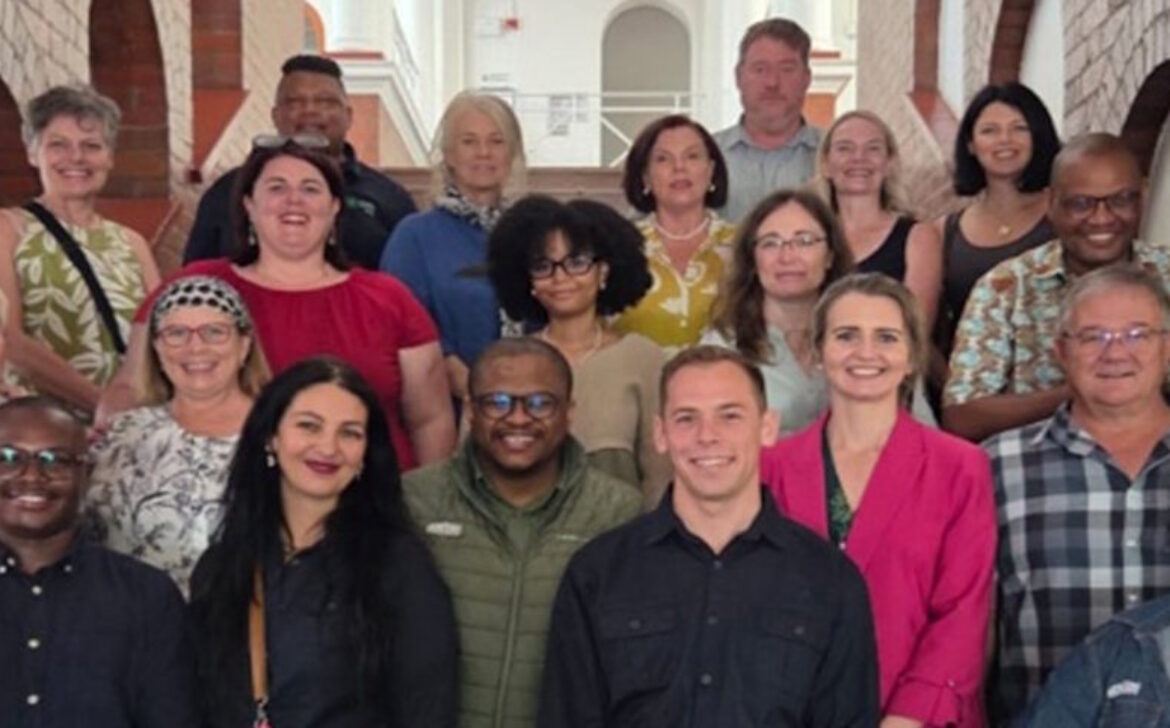
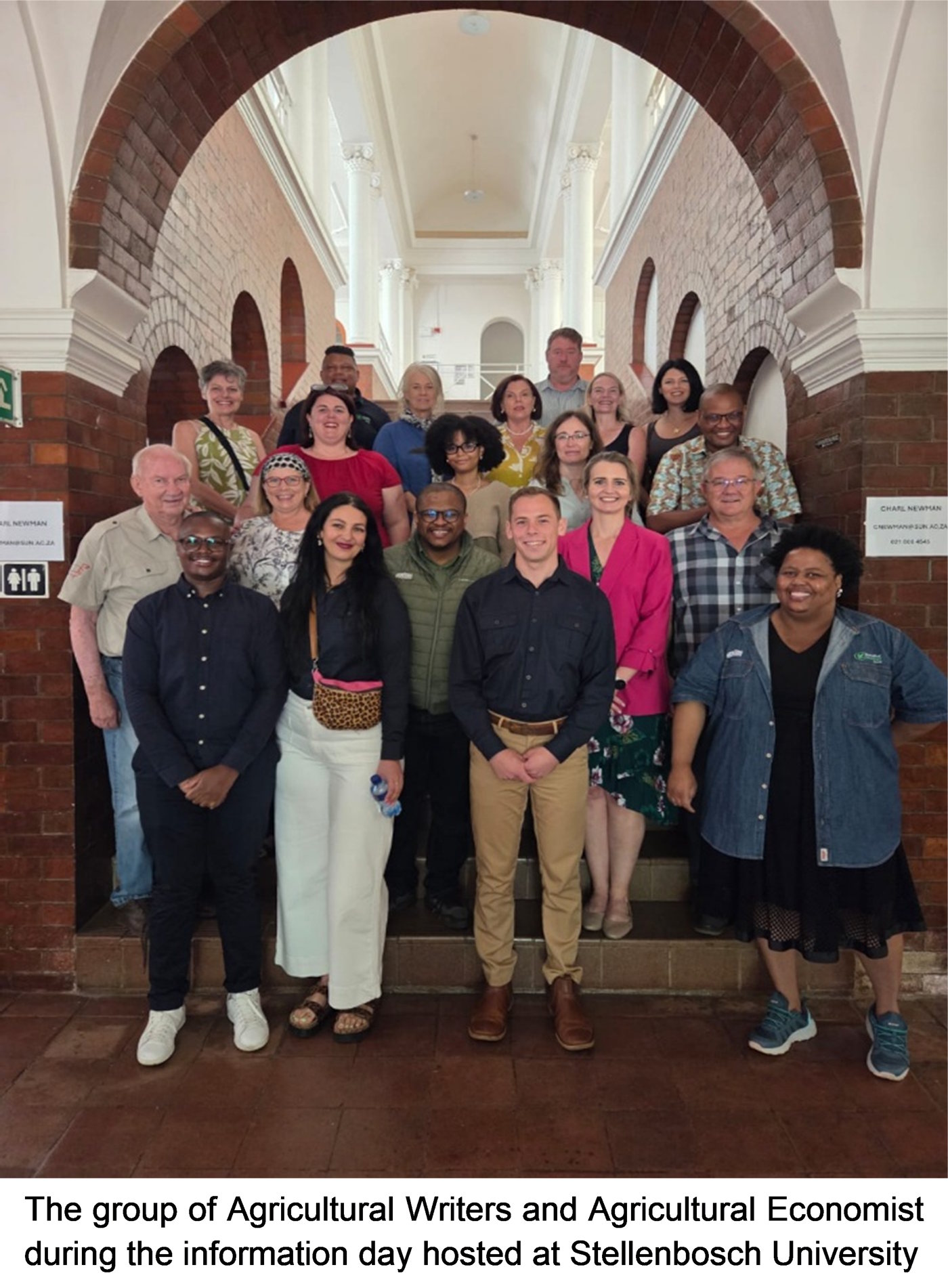
On 13 November 2025, the Agricultural Economics Department at Stellenbosch University had the privilege of hosting the Agricultural Writers for a day of engagement, conversation, and knowledge-sharing. The visit formed part of the Department’s commitment to strengthening the relationship between academia and the mediarecognising that impactful agricultural reporting depends on evidence-based information and that our research reaches its full potential when it informs the public discourse.

Throughout the morning, the team of Agricultural Economists offered an accessible but rigorous overview of the themes shaping South African agriculture today. From value chains and price formation to water scarcity, climate pressures, the cost price squeeze, changing consumer demands, and global trade dynamics, each presentation highlighted the complexity of the food system and the importance of connecting micro-level stories to macro-level drivers. For example, we unpacked how decisions in export markets affect rural livelihoods, how rising input costs and logistics bottlenecks influence food prices, and how consumer trendsfrom affordability constraints to growing interest in health and sustainabilityreshape value chains from farm to fork.

But equally important was the conversation in the other direction. The Agricultural Writers shared the realities they face in reporting fast-moving stories, navigating data gaps, and translating technical concepts into clear, compelling narratives. This exchange reaffirmed why partnerships between researchers and journalists matter – accurate reporting depends on quick, credible access to experts, while our research remains impactful if we manage to remain relevant through the media.

We view this relationship as a genuine two-way street to connect research to real-world impact and to ensure that South Africa’s agricultural narratives remain relevant, trustworthy and accessible to the public.

Celebrating Leadership and Editorial Excellence in Agricultural and Environmental Economics

The Agricultural Economics Department at Stellenbosch University has much to celebrate with two significant editorial milestones announced in 2025. These achievements reflect decades of academic leadership, service, and a commitment to strengthening the visibility and impact of agricultural and environmental economics research both locally and globally.

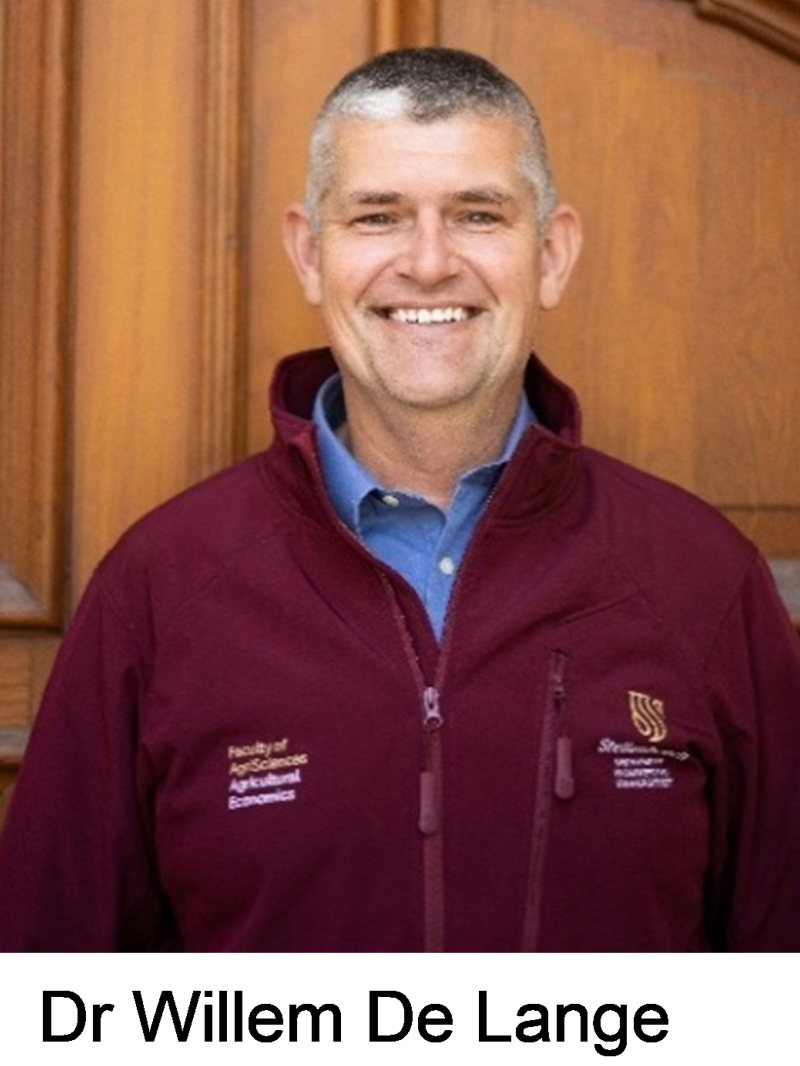
Dr Willem De Lange has been appointed as the inaugural Editor-in-Chief of Environmental Management: Economics and Policy (Environmental Management: Economics and Policy | Journal | ScienceDirect.com by Elsevier), a newly launched journal in the prestigious Journal of Environmental Management (JEM) series published by Elsevier. The journal, commonly referenced as JEMECP, focuses explicitly on the social, economic, and policy dimensions of environmental management areas that have grown substantially in recent years as sustainability challenges intensify worldwide. High-impact journals frequently evolve their scope in response to emerging research frontiers, and when a theme reaches critical mass, it often leads to a dedicated spin-off journal. The Environmental Management: Economics and Policy journal is the latest of these strategic expansions.

Dr De Langebrings extensive editorial experience to this new role, having served for 13 years as an Associate Editor for the Journal of Environmental Management. His appointment recognises both his expertise and his longstanding contribution to interdisciplinary environmental research. The launch of the Environmental Management: Economics and Policy journal provides an important platform for economists, policymakers, and environmental scientists to collaborate on evidence-based solutions to pressing environmental challenges.

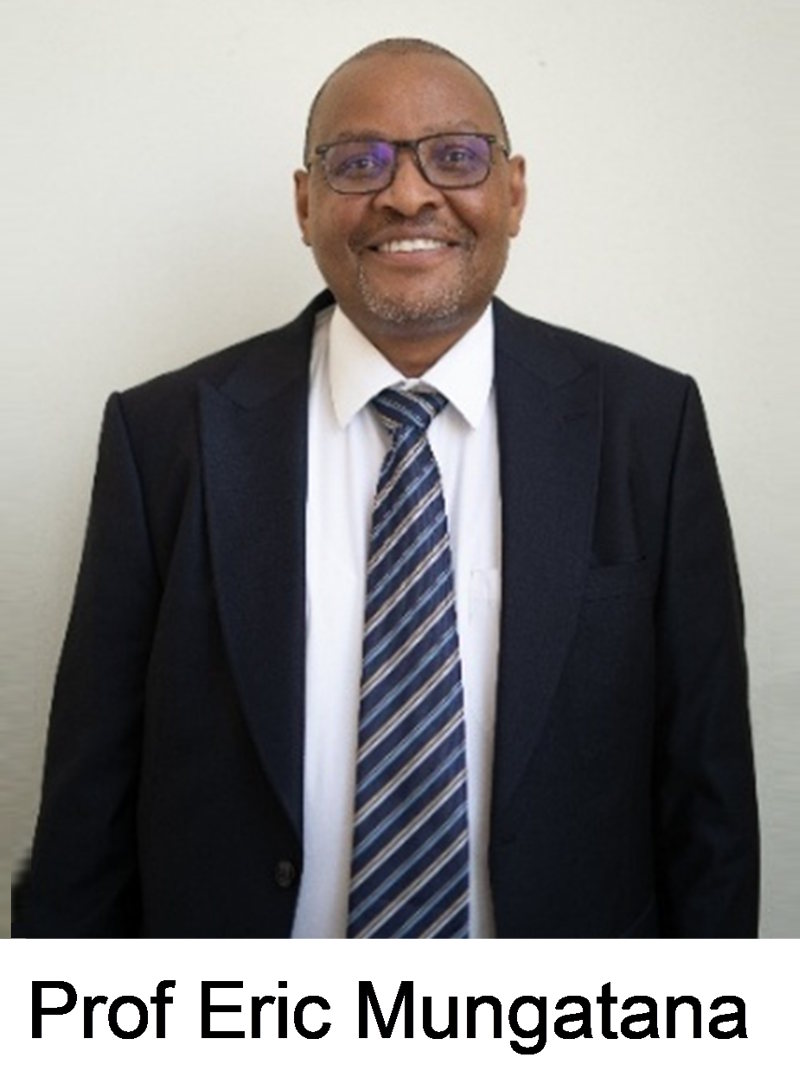
In another important transition for South Africa’s agricultural economics community, Agrekon, the flagship journal of the Agricultural Economics Association of South Africa (AEASA), has appointed Prof Eric Mungatana as its new Editor-in-Chief. His appointment marks the beginning of a leadership handover designed to ensure the journal continues to grow in stature and influence. Prof Mungatana brings extensive experience in environmental and resource economics, with a strong publication record and deep involvement in postgraduate supervision and policy-relevant research across Africa. His leadership is expected to build on the strong foundations established over the past decade.

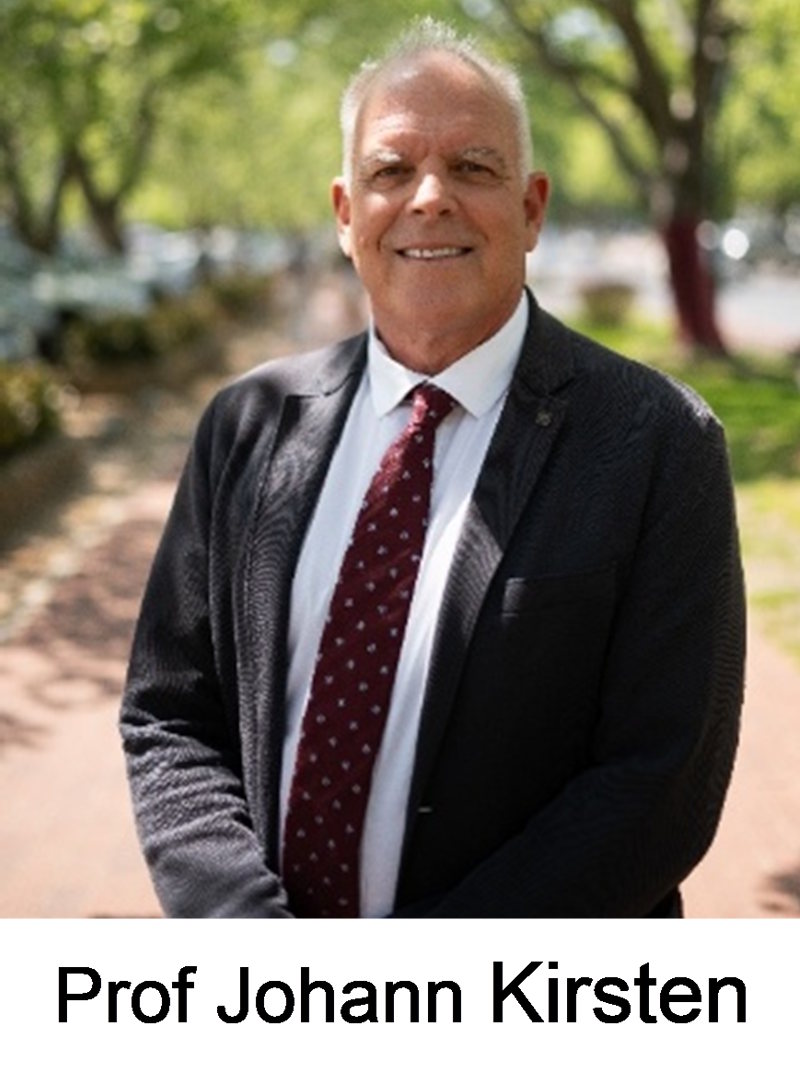
Under the outgoing editor’s tenure, Prof Johann Kirsten, Agrekon has seen substantial improvements in its scholarly footprint. Notably, the journal has achieved a rising impact factor and a significant growth in readership, demonstrating Agrekon’s growing relevance and visibility in global academic conversations on agriculture and food systems.

The handover also marks a personal milestone: the conclusion of nearly 40 years of involvement in AEASA by Prof Kirsten, whose term formally ends in December 2025. From joining as a student in 1984 to serving in multiple leadership roles over 17 years on the AEASA Management Committee, this period reflects a remarkable legacy of dedication to strengthening the profession.

As the field continues to evolve, shaped by new technologies, sustainability imperatives, and shifting global trade dynamics, these editorial transitions ensure that the Agricultural and Environmental Economics journals are positioned to contribute meaningfully to academic and policy debates in the years ahead.

Celebrating Excellence: SU Student and Researchers Sweep Top AEASA Awards

By Maréze Smit and Dr Melissa van der Merwe

The 62nd Agricultural Economics Association of South Africa (AEASA) conference was held from 29 September to 1 October 2025 in Pretoria, Gauteng. Among other things, this event also aimed to celebrate excellence in the field, and Stellenbosch University did not disappoint. Maréze Smit received the prize for the Best Master’s Thesis in Agricultural Economics, and a paper co-authored by Dr Melissa van der Merwe (Agricultural Economics) and colleagues at the Bureau for Food and Agricultural Policy (BFAP) won the award for best contributed paper. Mr Jeremy Richard McKechnie was awarded the AEASA prize for the best final year student.

Maréze’s thesis titled “An Economic Analysis of Farm Profitability related to new deciduous Fruit Cultivar Choice” was completed under the supervision of Dr Willem Hoffmann and co-supervised by Dr Iwan Labuschagne. The study investigated the main factors influencing profitability for apple and Japanese plum cultivars to guide planting decisions in specific South African production environments. Cultivar diversity is an essential risk-management strategy in deciduous fruit farming, and choosing a cultivar that supports long-term resilience requires careful consideration of its traits, local climate conditions, market dynamics, and practical production implications. Using a systems approach, a whole-farm budget model was developed to translate horticultural characteristics into financial outcomes. Industry stakeholders contributed through a participatory modelling process, and the final models were validated by a multidisciplinary focus group. The study found that factors affecting yield, quality, and price exert a far greater influence on profitability than reasonable variations in production costs.

A profitable cultivar should:

  • Align with the farm’s commercial window in terms of harvest timing, labour, and infrastructure needs.
  • Offer broad marketing opportunities to minimise market risk.
  • Be both adapted and adaptable to the production environment, as poor adaptability negatively affects cost, quality, quantity, and consistency.

The paper, co-authored by Drs Melissa van der Merwe, Tracy Davids, and Kandas Cloete, and Mr Louw Pienaar (BFAP and extraordinary researchers at SU),explores how stricter European Union pesticide regulations—part of the Green Deal’s “Farm to Fork” strategy—could affect South Africa’s citrus and pome fruit exports. Using economic models, the research shows that phasing out key pesticides may hurt farm profitability, reduce export volumes, and impact rural jobs unless alternatives are adopted in time. The findings highlight the need for proactive responses from government and industry to safeguard South Africa’s fruit trade with the EU. This accomplishment at AEASA highlights the benefits of collaborations between SU and BFAP researchers under the Memorandum of Understanding between the Faculty of AgriSciences and BFAP.

Celebrating a Century of Agricultural Economics at Stellenbosch University

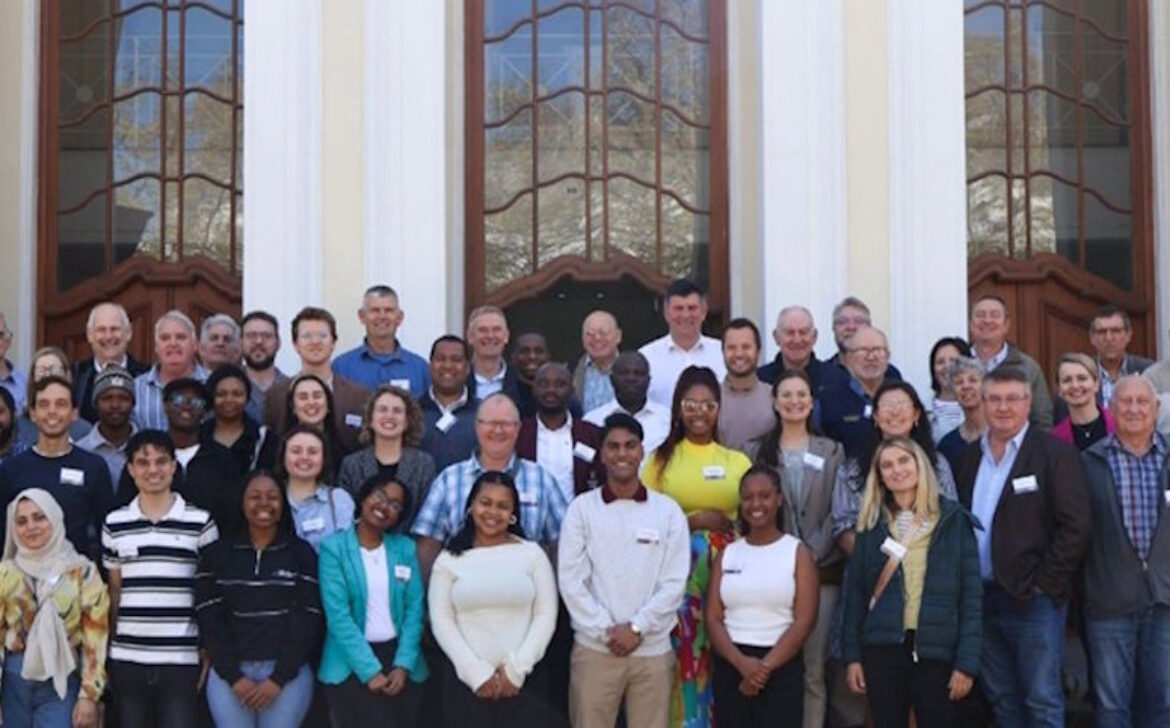
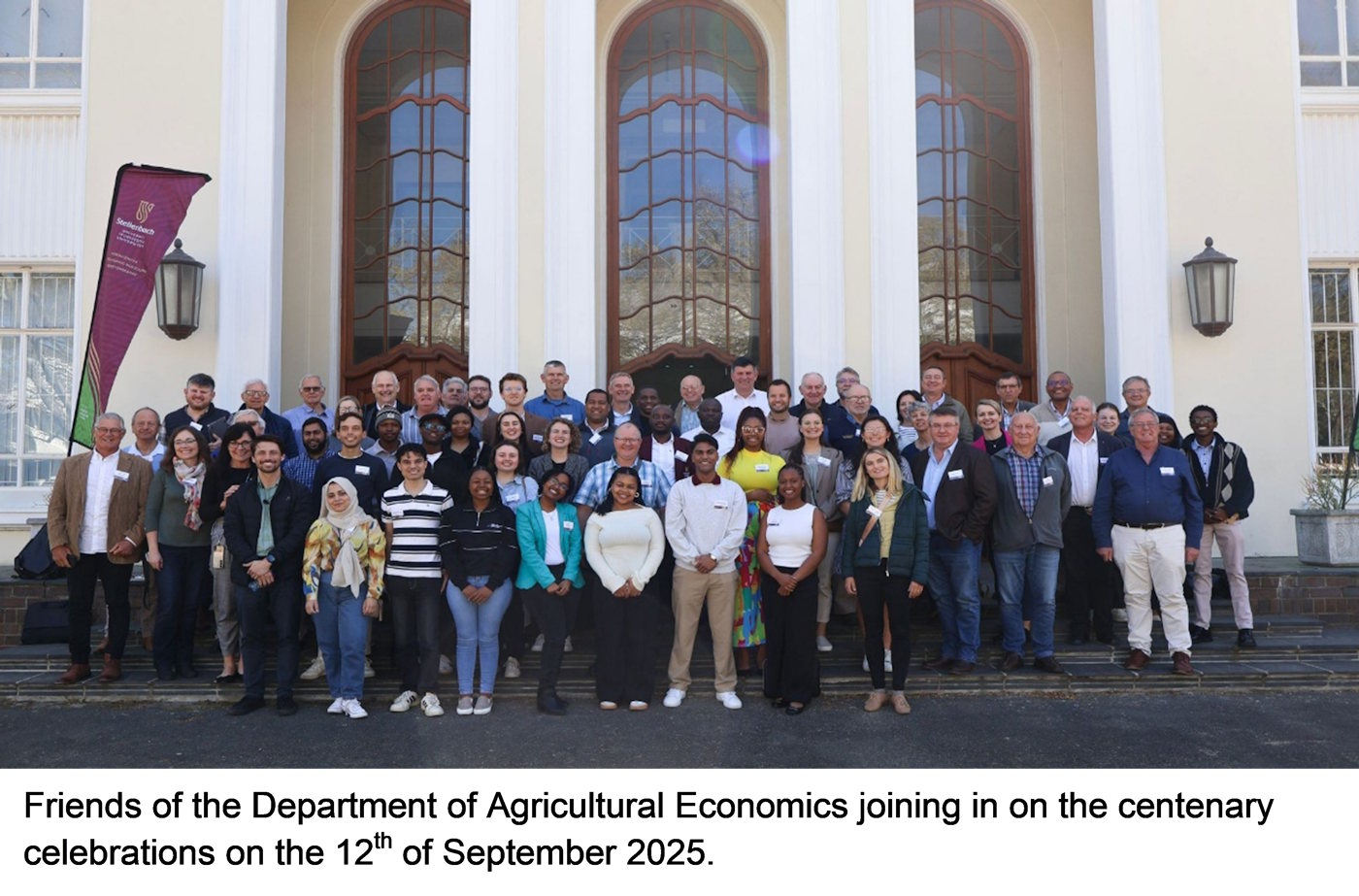
This year the Department of Agricultural Economics celebrated 100 years of academic excellence through impactful research and training the next generation of agricultural economists. On 12 September 2025, under the theme “The Past, Present and Future of Agricultural Economics” we gathered current students, esteemed alumni, industry partners, and Stellenbosch University colleagues for a day filled with reflection, knowledge sharing, and celebration.

The day was formally opened by Dr. Melissa van der Merwe, who welcomed the diverse group gathered in the lecture hall, from the oldest alumnus in the room, who graduated in 1963, to the youngest alumnus, who graduated in March of 2025. In her words, standing before so many generations of agricultural economists was a profoundly emotional moment. “I realised not only the great honour,” she shared, “but also the great responsibility of leading this department into its next 100 years.”

The day began with a keynote presentation by well-known agricultural economist and extraordinary professor at SU, Prof. Ferdi Meyer, titled “A Century of Growth Agricultural Insights from the Past to PresentAgriEcon100”. The tagline to his presentation “Give agriculture half a chance, and it will grow” showcased how South African agriculture has consistently outperformed its perceived constraints over the last couple of decades.He reflected on the sector’s remarkable growth in exports, productivity, and income, while highlighting success stories in sectors like soybeans, horticulture, and beef. Prof Meyer also emphasised the need for secure land tenure, improved infrastructure, and trade facilitationto unlock the sector’s full potential. His address was an accolade to past achievements and a call to action for the next generation of agricultural economists in the room.

Another highlight was the student poster session, where our postgraduate students had the opportunity to showcase their applied research. Their topics reflected the diversity of current agri-food challenges:

  • Jessica Barton’s researched focused on food waste in South African retail.
  • Christien Langenhoven analysed the volatility dynamics between global and South African maize and wheat markets by using a price transmission model.
  • Lourens Matthysen did an analysis to determine the impact of disruptions at the port of Cape Town on the profitability of fruit exports.
  • Matthew Guest used a time series analysis to determine the impact of Namibia’s community-based natural resource management strategy on elephant conservation.
  • Sameera Ebrahim evaluated the financial impacts of compliance and market diversion on the South African grapefruit industry in response to South Korea’s non-tariff measures
  • Kumirai Takawira, one of our PhD students, presented preliminary results on the development of a total sustainability management framework for the African wild meat value chain.
  • Ziyanda Hadebe, another one of our PhD students, presented her multidisciplinary study to investigate the processing, characterisation, consumer acceptance and commercial viability of canola proteins for human consumption in South Africa.
  • And lastly, one of our recent PhD graduates, Dr Heinrich Jantjies presented on the competitive performance of the South African deciduous fruit canning industry.

The enthusiasm, analytical depth, and creativity displayed by these students sparked lively discussions and industry engagement. Many alumni and guests were impressed by the professionalism of the presentations, and several connections between students and potential future collaborators and employees were sparked.

One of the most heartfelt moments of the day was the presence of the late Mr. Deon Joubert, whose passion and dedication for the industry willbe remembered by many. His support for young agricultural economists and the way he listened and showed interest in our students research on the daywas remarkable. He left a lasting legacy that we will continue to build on.

Later in the afternoon, tradition came alive with a departmental braai in the quad, a cherished space that holds many memories for generations of students and staff. Those that are in the know are aware of our annual staff and student photographs dating back to 1961 that hangs in our departmental corridors and it was round these photographs on the way to the quad that attendees reconnected and shared stories of their time in the department.

The celebrations concluded with a gala dinner, where emeritus Professor Nick Vink, the longest standing chair of the department of Agricultural Economics, offered a tribute to the many great minds who helped shape the discipline of Agricultural Economics and in particular the role that the Stellenbosch University department played. His speech celebrated the legacy of our department and the promising future being built by our current students and faculty. Guests toasted to a century of impactand the many decades yet to come.

As Dr Melissa van der Merwe said in her welcoming speech, the centenary event was not only a celebration of the past, but a powerful reminder of the responsibility that the next generation of academics have in graduating agricultural leaders that are ready to shape the future of agriculture in South Africa and beyond.


Prof Karen Esler Appointed Vice Dean: Research, Innovation & Postgraduate Studies

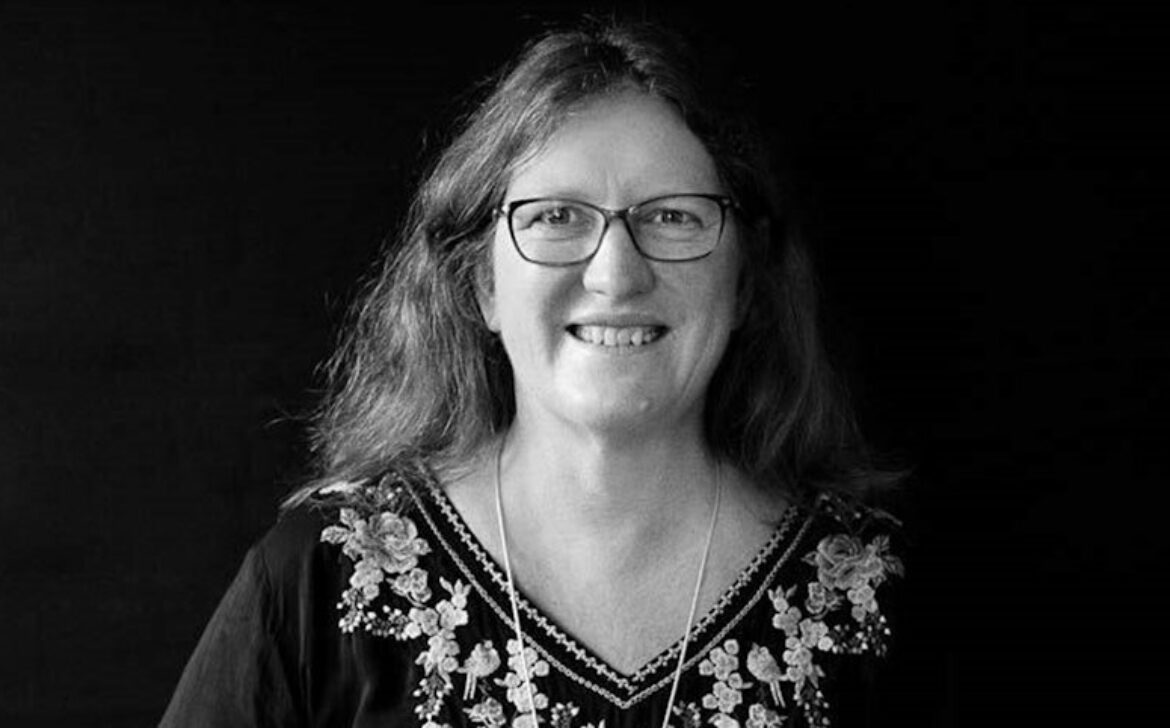
We are delighted to announce that Prof Karen Esler has been appointed as the new Vice Dean: Research, Innovation & Postgraduate Studies.

Karen is a Distinguished Professor in the Department of Conservation Ecology & Entomology, with decades of leadership and research experience in plant ecology, invasion biology, and ecosystem stewardship.

Prof Karen Esler is a veteran staff member at Stellenbosch University. She began her career as a lecturer in the (then) Department of Botany in 1995, moved to the Department of Conservation Ecology & Entomology in 2005 as an Associate Professor, and was promoted to Professor in 2008. She served as Head of Department from 2015 to 2020 and was awarded a Distinguished Professorship in 2021. She has been a core team member of the DST–NRF Centre of Excellence for Invasion Biology since its inception in 2004 and has served as Regional Editor (Africa) for the leading journal Conservation Biology since 2017. She is also the African representative to the IUCN Academy, launched in 2021, which “harnesses IUCN expertise to propose learning journeys to those seeking to make a meaningful contribution to the dynamic world of conservation”.

Having received multiple awards for her research and teaching, Karen is a leading expert in ecological restoration and the impact of environmental change on Mediterranean-type ecosystems. Her impactful career is defined by linking research with practical land management, including leading a long-term research–implementation partnership with the City of Cape Town since 2012. Karen’s significant contributions to science have been recognised through her election as a member of the Academy of Science of South Africa (ASSAf) and as a Fellow of the Royal Society of South Africa (RSSAf).

Karen is a strong advocate for research, and its documentation through peer-reviewed publications, as a critical component of idea development and knowledge sharing. She believes that while innovation may originate outside formal research (such as a great idea), rigorous research can ultimately lead to innovation, and can itself be innovative. If the Faculty of AgriSciences is to imaginatively address the challenges of the Anthropocene and seek sustainable and viable solutions, she believes it is essential to reflect critically on how research is conducted. While depth of knowledge remains important, solutions to sustainability challenges increasingly require the integration of multiple knowledge sources and disciplines in inter- and transdisciplinary ways.

On a personal note, Karen is passionate about reconnecting people to nature through green spaces and gardens, having experienced the profound health, wellness, and biodiversity benefits of a family garden over many years.

Congratulations, Prof Esler. We look forward to what lies ahead.

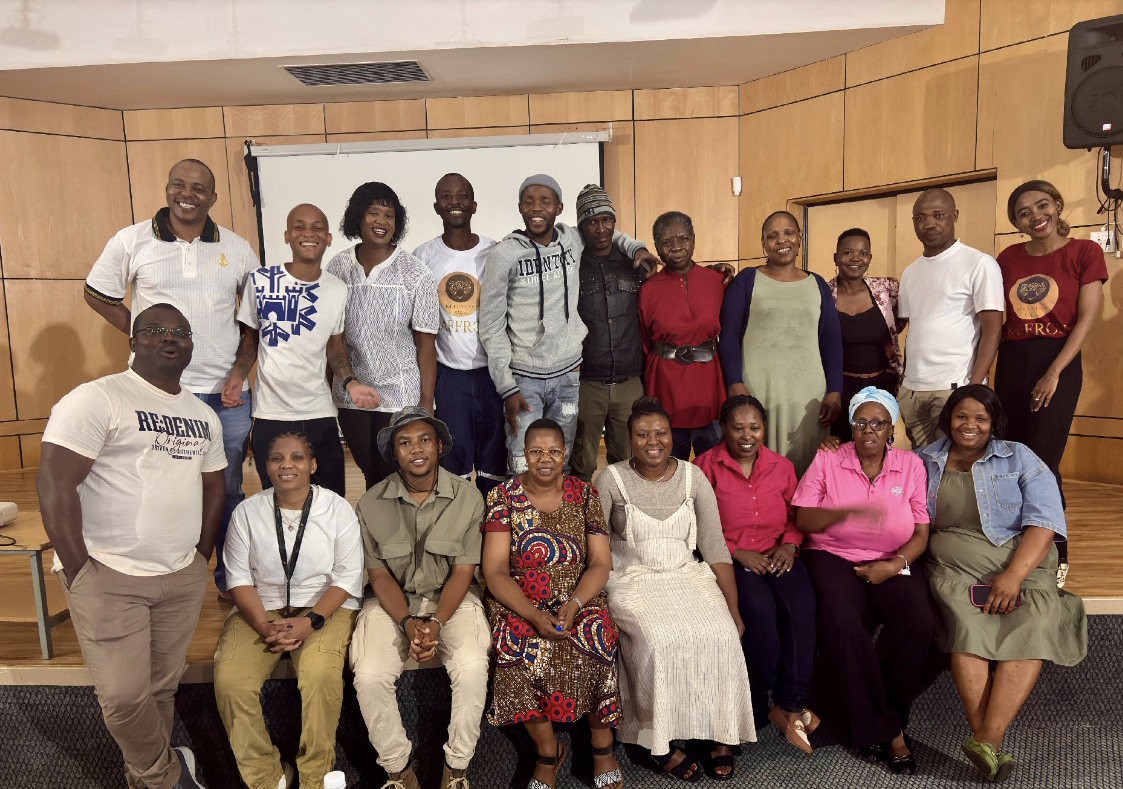
Cultivating knowledge beyond the classroom walls


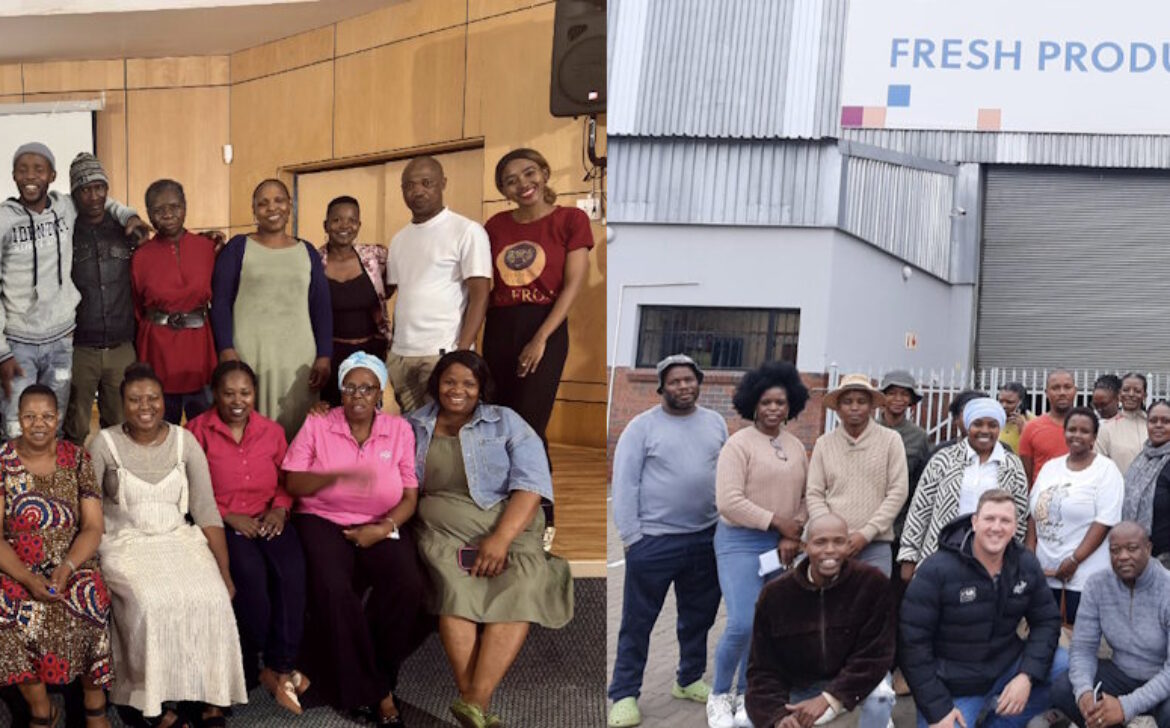
This year, Stellenbosch University, through a collaboration between the Stellenbosch University Water Institute and the Africa Institute for Postharvest Technology, in affiliation with the Department of Horticultural Science, extended agricultural learning beyond theory into practice. Local farmers gained hands on experience through a series of workshops in Rustenburg in critical areas such as:

  • Post-Harvest quality control and Food Safety standards
  • Optimal storage and Quality monitoring
  • Cold Chain management and Efficient transportation

The program went beyond learning in classroom settings to creating opportunities. Farmers toured Freshlinq Rustenburg, where some participants even registered to supply their produce directly to the facility, bridging the gap between farm and market.


On the 27 th of November, a seminar showcased the tangible impact of this initiative, celebrating inspiring success stories from participants like TshegoM Creations, Phoenix Business Concepts, and Sibanda Projects who have proven that knowledge, when applied, transforms livelihoods.

A heartfelt thank you to the farmers, Sibanye Rustenburg Mine Community Development Trust, Orbit College, Rustenburg Local Municipality, Dr Oluwafemi Caleb, Dr Alemayehu Tsige, Dr Buhle Maphosa, Mr Manuel Jackson, SUWI and all stakeholders who made this capacity-building journey possible. Together, we have proven that agricultural development can thrive beyond the four classroom walls.